American Bully vs Pitbull
Key Differences in Appearance, Temperament, Size and Training
If you’re comparing an American Bully vs Pitbull, you’re certainly not alone. These two muscular, powerful-looking dogs are often confused with each other, and it’s easy to understand why. They share some ancestry, have similar physical features and are both known for their loyalty and strong connections with their families.
However, there are some important differences.
Whether you’re thinking about bringing one of these dogs into your home, already own one, or simply want to understand the breeds better, knowing what separates them can help you make a more informed decision.
In this guide, we’ll compare the American Bully and Pitbull in detail, covering their appearance, size, temperament, exercise requirements, health considerations and training needs. We’ll also explain which dog might suit different types of owners.
At mydogtrained.com, we believe responsible dog ownership starts with understanding your dog’s individual needs. Breed knowledge, consistent training and positive reinforcement all play an important role in raising a confident, well-mannered companion.
Let’s look at what makes these two dogs different.

American Bully vs Pitbull: What’s the Main Difference?
The biggest difference between an American Bully and a Pitbull is their breeding history, physical structure and original purpose.
The American Bully was developed primarily as a companion dog. Breeders wanted to produce a muscular, powerful-looking dog with a generally friendly and stable temperament.
The term Pitbull, on the other hand, is commonly used to describe several related breeds and types, although it is not the official name of one single breed.
When people say Pitbull, they’re often referring to the American Pit Bull Terrier.
Here is a quick comparison:
| Feature | American Bully | American Pit Bull Terrier |
|---|---|---|
| Original purpose | Companion dog | Working and sporting ancestry |
| Body structure | Broad, muscular and compact | Athletic, lean and muscular |
| Head | Broad and blocky | More moderately proportioned |
| Height | Varies by size variety | Generally 43–53 cm |
| Weight | Often 30–50 kg, depending on variety | Often 14–27 kg |
| Energy level | Moderate to high | Generally high |
| Exercise | Daily walks and structured activity | Daily exercise and mental stimulation |
| Temperament | Often affectionate and confident | Often affectionate and energetic |
| Training | Responds well to positive reinforcement | Responds well to positive reinforcement |
| Coat | Short and smooth | Short and smooth |
Important: These are general breed comparisons, not guarantees. Individual dogs can differ considerably in size, personality, energy levels and behaviour.
1. American Bully vs Pitbull: Physical Appearance
Both breeds have muscular bodies, short coats and strong jaws. However, their overall proportions are noticeably different.

American Bully Appearance
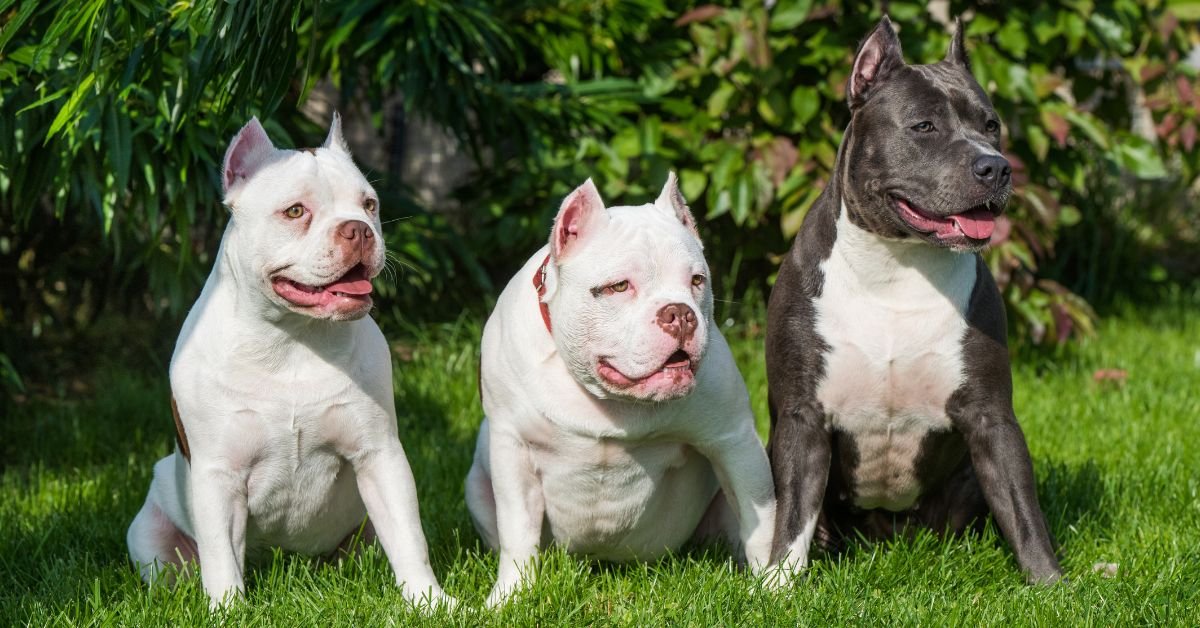
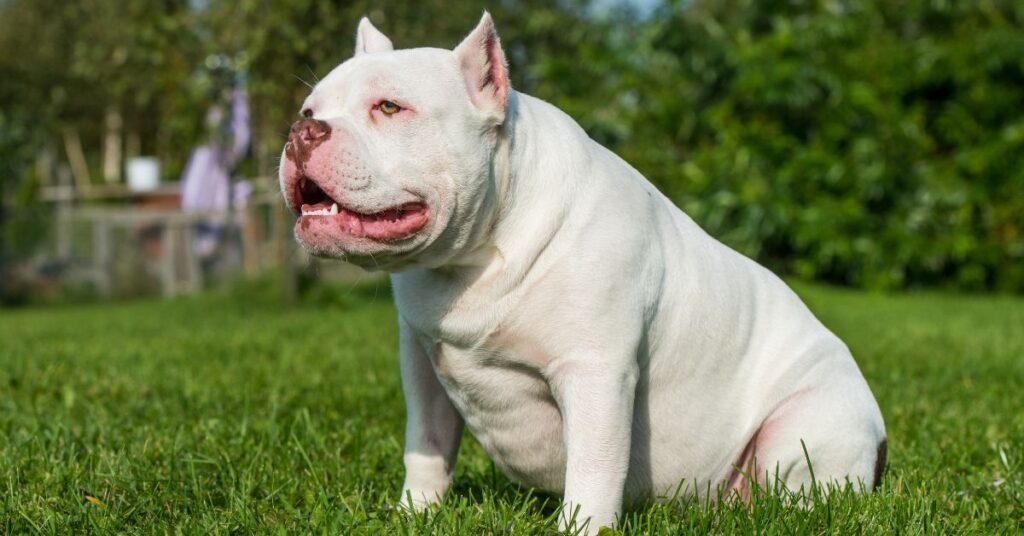
The American Bully is typically heavier, wider and more compact than the American Pit Bull Terrier.
Common physical characteristics include:
-
A broad, muscular chest.
-
A thick neck and shoulders.
-
A large, block-shaped head.
-
Short, powerful-looking legs in some varieties.
-
A wide body with substantial muscle mass.
-
A short, smooth coat.
American Bullies come in several recognised size varieties:
-
Pocket: Smaller and shorter than the Standard variety.
-
Standard: Medium-sized with a muscular, balanced build.
-
Classic: Lighter-framed than the Standard American Bully.
-
XL: Taller and generally heavier than the Standard variety.
The Extreme type is also used by some breeders to describe dogs with exaggerated physical characteristics, although it is not an official ABKC size variety.
Pitbull Appearance
The American Pit Bull Terrier generally has a more athletic and streamlined appearance.
Rather than the extremely broad proportions often seen in American Bullies, Pitbulls tend to have a balanced body built for strength, agility and endurance.
Typical characteristics include:
-
A moderately broad head.
-
A muscular neck and shoulders.
-
A deep chest.
-
Strong hindquarters.
-
A leaner, athletic frame.
-
A short, smooth coat.
Pitbulls are often more agile and physically athletic than heavily built American Bullies.
Expert tip: Don’t judge a dog’s breed based on appearance alone. Mixed ancestry and differences in breeding lines can make identification difficult.

2. American Bully vs Pitbull: Temperament and Personality
Both can make affectionate and devoted companions when properly raised, socialised and trained.
However, individual temperament depends on genetics, early experiences, training, environment and responsible ownership.
American Bully Temperament
American Bullies are generally bred with companionship in mind.
Many are affectionate, people-oriented dogs that enjoy spending time with their families.
Common personality characteristics include:
-
Strong attachment to their owners.
-
Playful and affectionate behaviour.
-
Confidence in familiar surroundings.
-
Enjoyment of human interaction.
-
A willingness to participate in training.
-
A tendency to enjoy relaxing with their families.
Some American Bullies can be stubborn, particularly when they haven’t received consistent training.
Their physical strength also means that basic obedience should be a priority from an early age.
Pitbull Temperament
American Pit Bull Terriers are often energetic, enthusiastic and highly people-oriented.
They can form strong bonds with their owners and enjoy activities that challenge them physically and mentally.
Common characteristics include:
-
High enthusiasm for play.
-
Strong physical energy.
-
Affectionate behaviour towards familiar people.
-
Intelligence and trainability.
-
Enjoyment of interactive activities.
-
A need for regular mental stimulation.
Some Pitbulls may display dog-directed aggression or reactivity, particularly depending on their genetics and individual experiences.
This doesn’t mean every Pitbull will have these behaviours. It does mean owners should understand their dog’s individual temperament and manage interactions responsibly.
Which Dog Is More Family-Friendly?
Both breeds can become wonderful family companions.
However, never assume that a dog is automatically safe around children simply because of its breed.
Teach children to:
-
Avoid disturbing dogs while eating or sleeping.
-
Never pull ears, tails or legs.
-
Give dogs space when they move away.
-
Avoid rough play.
-
Always respect the dog’s boundaries.
Young children should always be supervised around dogs, regardless of breed or size.
3. Size and Weight: Which Dog Is Bigger?
However, the size difference depends on the particular American Bully variety and the individual dog’s breeding.
American Bully Size
American Bullies have a wide range of sizes.
An XL American Bully can be substantially taller and heavier than a typical American Pit Bull Terrier.
Their thick bodies, broad shoulders and heavy muscle development contribute to their impressive appearance.
Pitbull Size
American Pit Bull Terriers are generally medium-sized dogs.
They are muscular but usually have a more athletic body shape.
Their lighter frame often makes them better suited to activities involving running, agility and sustained physical exercise.
Remember: A heavier dog isn’t necessarily stronger, healthier or better behaved. Healthy body condition and appropriate muscle development are far more important than weight.
4. Exercise Requirements and Energy Levels
Exercise is essential for both breeds.
A dog that doesn’t receive enough physical activity and mental stimulation may develop unwanted behaviours, including excessive barking, destructive chewing and attention-seeking.
However, exercise should be adjusted to the dog’s age, health and physical condition.
Exercise Needs of an American Bully
Most healthy adult American Bullies benefit from daily walks, interactive play and basic training sessions.
A practical routine might include:
-
A morning walk.
-
A short obedience training session.
-
Interactive games during the afternoon.
-
An evening walk or controlled play session.
-
Food puzzles or scent-based activities.
Heavily built American Bullies may struggle with excessive exercise, particularly in hot weather.
Avoid forcing your dog to run long distances or exercise beyond its physical limits.
Some American Bullies have shortened muzzles and breathing difficulties, which can increase the risk of overheating.
Exercise Needs of a Pitbull
American Pit Bull Terriers are generally more athletic and energetic.
Many enjoy activities that allow them to use their strength, speed and intelligence.
Suitable activities include:
-
Brisk daily walks.
-
Controlled fetch games.
-
Scent work.
-
Obedience training.
-
Interactive tug games.
-
Agility exercises where physically appropriate.
Avoid repetitive high-impact exercise in puppies because their joints and growth plates are still developing.
Which Dog Needs More Exercise?
In general, American Pit Bull Terriers may need more sustained physical activity than heavily built American Bullies.
However, individual energy levels vary.
A young American Bully can be extremely energetic, while an older Pitbull may prefer shorter walks and relaxed activities.
The best approach is to build an exercise routine around your dog’s actual needs.
5. American Bully vs Pitbull: Training and Intelligence
The biggest challenge for many owners isn’t teaching the dog what to do. It’s creating consistency and maintaining good behaviour in everyday situations.
Because these dogs are strong and muscular, good manners are particularly important.
Step-by-Step Training Guide
Here is a practical approach to training either breed.
Step 1: Start With Basic Obedience
Begin with simple commands that your dog can learn in short sessions.
Focus on:
-
Sit: Teach your dog to sit before receiving food or attention.
-
Stay: Build patience and impulse control.
-
Come: Establish a reliable recall.
-
Leave it: Teach your dog to disengage from unwanted objects.
-
Drop it: Encourage your dog to release toys or other objects.
Use small treats, praise and rewards to reinforce correct behaviour.
Keep early training sessions around five to ten minutes.
Step 2: Teach Loose-Lead Walking
Pulling on the lead can become a serious problem when your dog weighs 30 kg or more.
Start training in a quiet area with minimal distractions.
Follow these steps:
-
Attach a comfortable, well-fitted harness or suitable collar.
-
Begin walking with your dog beside you.
-
Reward your dog whenever the lead remains loose.
-
Stop moving if your dog pulls.
-
Wait for your dog to return your attention.
-
Continue walking once the lead becomes loose again.
Be patient.
Consistency will produce better results than constantly pulling your dog back into position.
Step 3: Teach Calm Greetings
Excited jumping can be difficult to manage with a powerful dog.
Teach your dog that calm behaviour earns attention.
When someone approaches:
-
Ask your dog to Sit.
-
Reward four paws remaining on the ground.
-
Keep greetings calm and controlled.
-
Remove attention if jumping starts.
-
Reward your dog when it settles again.
Practise with different people once your dog understands the exercise.
Step 4: Build Impulse Control
Impulse control helps your dog make better decisions when excited.
Useful exercises include:
-
Waiting before eating.
-
Sitting before going through doors.
-
Waiting before being released to play.
-
Responding to Leave it.
-
Settling on a designated mat.
These simple exercises can make a noticeable difference to everyday behaviour.
Step 5: Practise Around Distractions
Once your dog understands basic commands at home, gradually introduce more challenging environments.
Start with quiet outdoor areas before moving to busier locations.
Reward your dog for checking in with you, walking calmly and responding to commands.
Don’t overwhelm your dog by introducing too many distractions at once.
6. Socialisation: Helping Your Dog Become Confident
Socialisation is important for both American Bullies and Pitbulls.
A well-socialised dog should learn to remain calm around different environments, people, sounds and everyday experiences.
However, socialisation doesn’t mean forcing your dog to interact with every dog it meets.
In fact, controlled exposure is often much more valuable than constant greetings.
How to Socialise Your Dog Properly
Introduce your dog gradually to:
-
Different people.
-
Traffic and everyday noises.
-
New walking environments.
-
Visitors entering your home.
-
Other dogs at a comfortable distance.
-
Different surfaces and surroundings.
Reward calm behaviour.
If your dog becomes nervous, overexcited or reactive, increase the distance and allow it to settle.
Some dogs prefer limited interaction with unfamiliar dogs. That’s perfectly acceptable.
Expert tip: A dog that can calmly walk past another dog without needing to greet it has learned a valuable life skill.
7. Health Problems and Lifespan
Understanding potential problems can help you make better decisions when choosing a puppy or caring for an adult dog.
Common American Bully Health Problems
Potential health concerns include:
-
Hip and elbow dysplasia.
-
Skin allergies.
-
Heart conditions.
-
Breathing difficulties in dogs with shortened muzzles.
-
Joint problems.
-
Obesity.
Some exaggerated American Bully body types can create additional physical limitations.
Choose breeders who conduct appropriate health screening and prioritise sound movement, comfortable breathing and overall wellbeing.
Common Pitbull Health Problems
American Pit Bull Terriers can also experience inherited health conditions.
Potential concerns include:
-
Hip dysplasia.
-
Skin allergies.
-
Hypothyroidism.
-
Certain inherited neurological conditions, including cerebellar ataxia.
-
Heart disease.
Responsible breeding and routine veterinary care are important for both breeds.
How Long Do They Live?
Typical lifespan estimates are:
| Breed | General lifespan |
|---|---|
| American Bully | Around 10–13 years |
| American Pit Bull Terrier | Around 12–14 years |
These are estimates rather than guarantees.
Genetics, diet, exercise, body condition and veterinary care all influence longevity.
8. Feeding and Nutrition: What Should You Feed Them?
Both dogs need a balanced, complete diet that supports healthy muscle development and maintains an appropriate body condition.
Because they are muscular breeds, some owners mistakenly assume they need excessive protein or high-calorie diets.
That’s not necessarily true.
Your dog’s nutritional requirements depend on its age, activity level, weight and health.
Feeding an American Bully
Choose a complete and balanced food appropriate for your dog’s life stage.
Look for:
-
High-quality animal protein.
-
Appropriate fat levels.
-
Balanced vitamins and minerals.
-
Suitable calorie content.
-
Nutritional support for healthy joints where recommended by your veterinarian.
Avoid overfeeding.
Excess body weight places unnecessary pressure on the hips, elbows and other joints.
Feeding a Pitbull
Pitbulls generally benefit from a diet that supports their active lifestyle.
A suitable feeding plan should provide enough energy for daily activity without encouraging excessive weight gain.
Measure food portions rather than simply filling the bowl.
Fresh drinking water should always be available.
If you’re changing foods, introduce the new diet gradually to reduce the risk of digestive upset.
9. Common Mistakes American Bully and Pitbull Owners Should Avoid
Owning a powerful dog comes with responsibilities.
Unfortunately, some owners unintentionally create behavioural problems through inconsistent training or unrealistic expectations.
Here are some mistakes to avoid.
Mistake 1: Relying on Physical Strength
You should never rely on your ability to physically overpower your dog.
Instead, teach reliable commands and reward desirable behaviour.
Good training should make everyday handling easier, not turn every interaction into a struggle.
Mistake 2: Skipping Early Socialisation
Avoiding all unfamiliar environments can make it harder for your dog to develop confidence.
Introduce new experiences gradually and positively.
Mistake 3: Encouraging Rough Behaviour
Some owners enjoy wrestling and encouraging their dogs to jump up during play.
However, this can create problems when the dog becomes larger and stronger.
Teach controlled play and reliable commands such as Drop it and Enough.
Mistake 4: Ignoring Early Signs of Reactivity
Watch for behaviours such as:
-
Stiff body posture.
-
Intense staring.
-
Growling.
-
Lunging.
-
Repeated barking.
-
Difficulty disengaging from another dog.
These behaviours deserve attention.
Don’t punish warning signals such as growling. Instead, calmly create distance and seek help from a qualified force-free trainer or veterinary behaviourist if necessary.
Mistake 5: Choosing Appearance Over Health
An extremely muscular dog may look impressive, but exaggerated physical features can come with serious health problems.
Choose a dog with healthy proportions, comfortable breathing and sound movement.
10. Which Dog Is Better for You: American Bully or Pitbull?
The right choice depends on your lifestyle, experience, available time and expectations.
Choose an American Bully If:
-
You prefer a broader, heavier-bodied dog.
-
You want a companion-focused breed.
-
You enjoy regular walks and interactive play.
-
You can manage a strong, muscular dog.
-
You are prepared to pay attention to potential joint and breathing problems.
Choose an American Pit Bull Terrier If:
-
You prefer a more athletic dog.
-
You enjoy regular outdoor activities.
-
You have time for daily exercise.
-
You enjoy structured obedience training.
-
You can provide ongoing mental stimulation.
Both breeds need responsible ownership, clear boundaries and positive training.
Neither should be selected purely because of its appearance or reputation.
What About First-Time Dog Owners?
An American Bully or Pitbull isn’t automatically unsuitable for a first-time owner.
However, their strength, energy and potential behavioural challenges mean you should be prepared to invest time in training.
If you’re new to dog ownership, consider working with a qualified trainer from the beginning.
A well-matched adult dog with an established temperament may also be a better option than choosing a puppy based entirely on appearance.
11. Laws and Breed Restrictions: What Owners Need to Know
Before bringing either dog home, check the laws that apply where you live.
This is particularly important in Australia.
American Pit Bull Terriers are subject to breed-specific restrictions under Australian state and territory legislation. The American Bully may also be assessed under relevant restricted-breed or dangerous-dog provisions depending on its characteristics and local laws.
Rules can include registration requirements, containment standards, desexing, muzzling and restrictions on ownership or importation.
Don’t assume that a dog’s registered breed name automatically determines its legal classification.
Check with your local council and relevant state or territory authority before acquiring a dog.
Frequently Asked Questions
1. Is an American Bully the Same as a Pitbull?
No. Although the breeds share ancestry, they are different.
The American Bully was developed primarily as a companion breed, with a broader and heavier physical structure.
The American Pit Bull Terrier is a separate breed with a more athletic build and a different breeding history.
The word Pitbull is also commonly used as an umbrella term for several related dogs, which can create confusion.
2. Which Is More Aggressive, an American Bully or a Pitbull?
Neither breed can automatically be labelled more aggressive.
Behaviour depends on genetics, early experiences, socialisation, training and individual temperament.
Some Pitbulls may have stronger dog-directed tendencies, while individual American Bullies can also display reactivity or aggression.
Responsible breeding, appropriate management and consistent positive training are essential for both.
3. Can an American Bully and a Pitbull Live Together?
Yes, some American Bullies and Pitbulls can live together successfully.
However, compatibility depends on the individual dogs rather than their breed labels.
Before introducing them:
-
Choose a neutral meeting location.
-
Keep both dogs on comfortable leads.
-
Allow them to observe each other without forcing interaction.
-
Reward calm behaviour.
-
Watch their body language carefully.
-
Separate them for feeding and high-value toys.
-
Supervise interactions until you are confident they are comfortable together.
If either dog displays serious aggression, seek professional guidance before attempting further introductions.
Conclusion: American Bully vs Pitbull – Choosing the Right Companion
When comparing the American Bully vs Pitbull, the biggest differences come down to breeding history, physical structure, energy levels and individual temperament.
The American Bully is generally broader, heavier and more companion-focused, while the American Pit Bull Terrier tends to have a leaner, more athletic build and higher exercise requirements.
Both can be affectionate, intelligent and rewarding dogs for responsible owners.
But here’s what really matters: a dog’s behaviour is shaped by much more than its breed.
Consistent training, positive reinforcement, appropriate socialisation, regular exercise and responsible ownership all help create a well-adjusted companion.
If you’re considering either breed, take the time to research responsible breeders, understand local ownership laws and choose a dog whose needs match your lifestyle.
And if you already own one, start with the basics. Practise Sit, Stay, Come, Leave it and loose-lead walking every day.
Small training sessions build lasting habits.
A strong dog doesn’t need an owner who is stronger. It needs an owner who is consistent, patient and prepared to lead with confidence.
Visit mydogtrained.com for more practical dog training advice, breed guides and proven techniques to help you raise a happy, confident and well-mannered dog.
Editorial note: Breed measurements, temperament and lifespan figures are general estimates. Individual dogs vary, and breed identification should not be based on appearance alone.