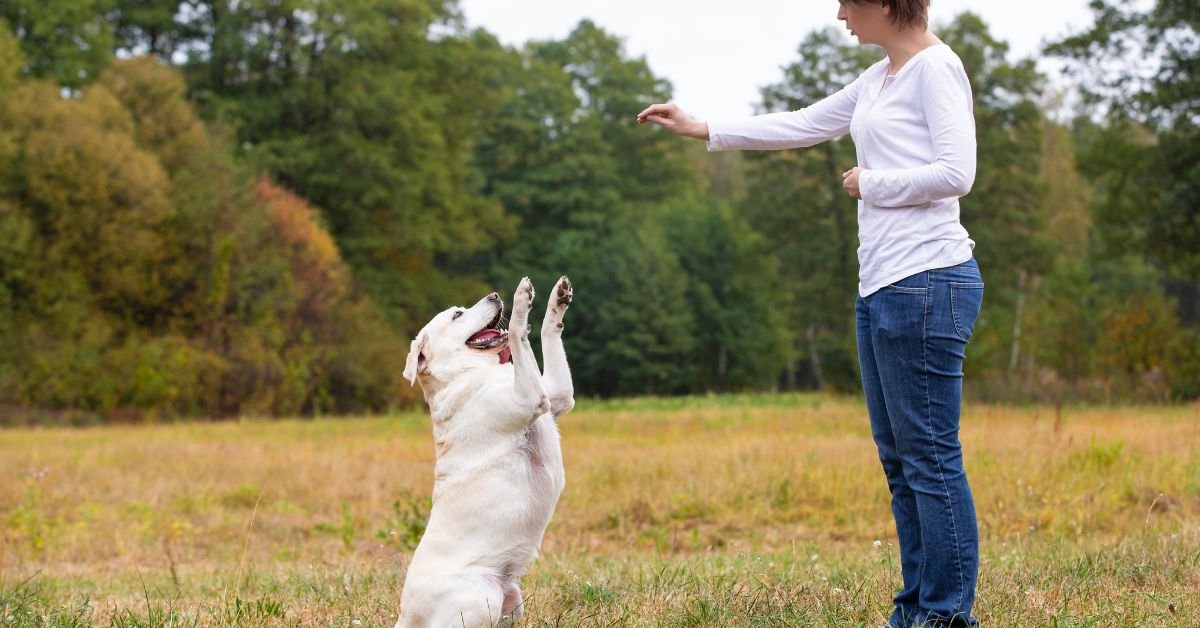
How to Train a Labrador Retriever
A Complete Guide for a Well-Behaved, Happy Dog
Labradors are friendly, intelligent, energetic and eager to please. They are wonderful family dogs, but anyone who owns one knows they can also be incredibly excitable, especially when they are young. Jumping on visitors, pulling on the lead, stealing food, ignoring recall commands and chewing household items are common challenges for Labrador owners.
The good news? Labradors are highly trainable dogs when you use consistent, positive training methods.
Learning how to train a Labrador Retriever isn’t about being strict or constantly correcting unwanted behaviour. It’s about teaching your dog what you expect, rewarding good decisions and building reliable habits that last a lifetime.
In this guide, we’ll walk you through practical, step-by-step training techniques you can start using at home. Whether you’ve just brought home a Labrador puppy or you’re working with an older dog that needs better manners, you’ll learn how to establish obedience, improve recall, stop unwanted behaviours and develop a stronger relationship with your dog.
At MyDogTrained.com, we believe successful dog training starts with understanding your dog’s behaviour and using methods that make learning enjoyable for both of you.
Let’s get started.

Understanding Your Labrador Retriever Before Training
Before teaching commands, it’s important to understand what makes Labradors tick.
Labradors were originally developed as working retrievers. Their natural instincts include carrying objects, retrieving, swimming, exploring and working closely with people.
These characteristics make them excellent companions, but they also explain some of the behaviours owners find challenging.
Why Labradors Can Be Difficult to Train
Labradors are intelligent, but intelligence doesn’t automatically mean obedience.
Some common characteristics include:
-
High energy: Young Labradors need plenty of physical activity and mental stimulation.
-
Food motivation: Most Labradors love food, which makes treats excellent training rewards.
-
Excitability: They may jump, bark or pull when greeting people.
-
Curiosity: Interesting smells, other dogs and wildlife can distract them.
-
Retrieving instincts: Many Labradors naturally want to pick up and carry objects.
-
Social behaviour: They often become extremely excited around people and other dogs.
Understanding these traits helps you choose appropriate training exercises rather than fighting against your dog’s natural instincts.
Start Training Early
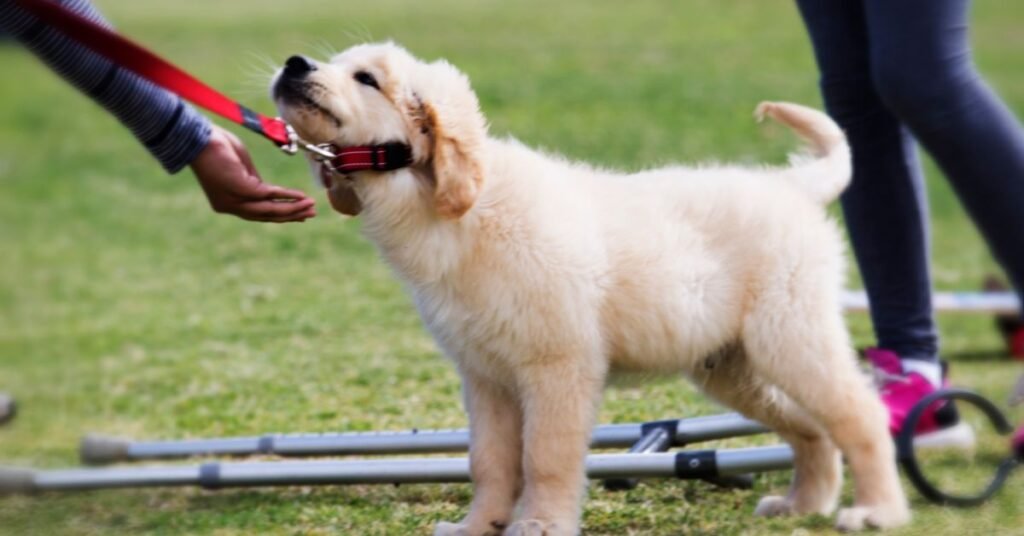
Ideally, Labrador training should begin as soon as your puppy arrives home.
You don’t need to wait until your dog is six months old. Puppies can begin learning simple behaviours from around eight weeks of age.
Start with:
-
Responding to their name.
-
Sitting when asked.
-
Coming when called.
-
Toilet training.
-
Learning to settle.
-
Accepting a collar and lead.
-
Being comfortable with everyday household sounds.
Keep early sessions short, positive and rewarding.
How to Train a Labrador Retriever: Start With Basic Obedience
Basic obedience provides the foundation for everything else.
Before expecting your Labrador to behave reliably in public, teach the essential commands in a quiet environment at home.
Use small treats, verbal praise and occasional play rewards.
Aim for several short training sessions throughout the day rather than one long session that leaves your dog frustrated.
Step 1: Teach Your Labrador to Sit
It gives your Labrador something constructive to do when excited, waiting for food or greeting visitors.
Follow these steps:
-
Hold a small treat close to your dog’s nose.
-
Slowly move the treat upwards and slightly backwards over their head.
-
As your dog’s nose follows the treat, their bottom should naturally move towards the floor.
-
The moment their bottom touches the ground, say “Sit” and reward them.
-
Repeat the exercise several times.
Once your Labrador understands the movement, begin giving the verbal command before using the hand signal.
Training tip: Never push your dog’s bottom down to force a sitting position. Allow them to discover the behaviour themselves.

Step 2: Teach the Stay Command
Start with your dog sitting in front of you.
-
Ask your dog to Sit.
-
Hold your open hand up like a stop signal.
-
Say “Stay”.
-
Wait for one or two seconds.
-
Return to your dog and reward them for remaining in position.
-
Gradually increase the time before rewarding.
Once your Labrador can remain still for several seconds, introduce a small amount of distance.
Don’t increase distance, duration and distractions all at once.
If your dog gets up, calmly reset the exercise and make it easier.
Step 3: Teach Reliable Recall
A reliable “Come” command can help keep your dog safe around roads, wildlife and other potential hazards.
Start indoors where distractions are limited.
-
Move a short distance away from your Labrador.
-
Say their name followed by “Come!” in an enthusiastic voice.
-
Crouch slightly and encourage them towards you.
-
When they reach you, reward them generously.
-
Repeat from different positions around the house.
Once your Labrador responds consistently indoors, practise in a secure garden.
Next, use a long training line in a quiet outdoor area.
Never punish your dog for eventually coming back, even if they took their time. You want returning to you to remain a positive experience.
Expert tip: Occasionally give your Labrador an especially valuable reward for coming when called. This helps make returning to you more appealing than whatever else they were investigating.
How to Train a Labrador Retriever to Walk Nicely on a Lead
Lead pulling is one of the most frustrating problems Labrador owners experience.
A strong adult Labrador can easily pull an owner down the footpath if loose-lead walking hasn’t been taught properly.
Fortunately, this behaviour can be improved with consistency.
1. Begin in a quiet area
Start inside your home or in the garden. Your Labrador will find it easier to concentrate without people, dogs and unfamiliar smells competing for attention.
2. Reward your dog for staying beside you
Hold a treat near your leg and reward your Labrador when they walk beside you without pulling.
3. Stop when the lead becomes tight
If your Labrador starts pulling, stop walking.
Wait for them to turn towards you or move back until the lead becomes loose. Reward them and continue.
4. Change direction regularly
If your dog constantly rushes ahead, calmly change direction and encourage them to follow.
This teaches your Labrador that staying connected to you makes the walk continue.
5. Gradually introduce distractions
Once your dog understands the exercise, practise around quiet streets, parks and other everyday environments.
Avoid allowing pulling to become the normal way your dog gets from one place to another.
A comfortable, well-fitted harness can also help you manage a strong Labrador while training progresses.
How to Stop a Labrador Retriever From Jumping on People
Labradors are naturally enthusiastic dogs.
Unfortunately, their excitement often results in jumping on visitors, family members and strangers.
Although your dog may simply be trying to say hello, a large adult Labrador can easily knock over a child or elderly person.
Teach an Alternative Greeting Behaviour
The easiest approach is to reward your Labrador for keeping all four paws on the ground.
Follow these steps:
-
Ask your dog to Sit before greeting someone.
-
Reward them for remaining calm.
-
Ask visitors to avoid patting or greeting your dog while they are jumping.
-
If your Labrador jumps, calmly remove attention.
-
Reward them as soon as all four paws return to the floor.
Practise with family members before introducing unfamiliar visitors.
Consistency matters. If one person encourages jumping while another discourages it, your Labrador will receive mixed messages.
Remember: Your Labrador needs to learn that calm behaviour earns attention, not jumping.
Toilet Training Your Labrador Puppy
Toilet training should begin immediately when your puppy arrives home.
Labradors are generally capable of learning household routines quickly, provided you give them enough opportunities to go outside.
Take your puppy outside:
-
Immediately after waking.
-
After eating or drinking.
-
After playtime.
-
After naps.
-
Before bedtime.
-
At regular intervals throughout the day.
Choose one designated toilet area in your garden.
When your puppy finishes toileting outside, reward them immediately with praise and a small treat.

What If Your Puppy Has an Accident?
Accidents are part of the learning process.
If you discover an accident indoors:
-
Clean the area thoroughly with an appropriate enzymatic cleaner.
-
Avoid shouting or punishing your puppy.
-
Increase the frequency of outdoor toilet breaks.
-
Supervise your puppy more closely.
Punishment can make puppies anxious about toileting in front of you, which may make toilet training harder.
If accidents suddenly increase in a previously toilet-trained dog, consider whether a veterinary examination is needed.
Stop Your Labrador From Chewing Everything
Labradors are enthusiastic chewers, particularly during puppyhood.
Teething, boredom, excess energy and natural exploration can all contribute to destructive chewing.
Shoes, furniture, children’s toys and household items can quickly become targets.
How to Manage Chewing Behaviour
Start by removing tempting objects from your dog’s reach.
Then provide suitable alternatives.
Useful options include:
-
Durable rubber chew toys.
-
Puppy-safe teething toys.
-
Food-stuffed enrichment toys.
-
Supervised appropriate chewing activities.
-
Interactive food puzzles.
When your Labrador picks up something inappropriate, calmly exchange it for an acceptable toy.
Reward your dog when they choose their own toys.
Avoid chasing your puppy around the house trying to retrieve stolen objects. This can turn stealing into an exciting game.
If your dog regularly swallows non-food objects, seek veterinary advice because intestinal blockages can be dangerous.
Exercise and Mental Stimulation: Essential for Labrador Training
A Labrador with excess energy may struggle to concentrate during obedience training.
Exercise is important, but physical activity alone isn’t enough.
Your dog also needs opportunities to think, explore and use their natural abilities.
Try incorporating these activities into your daily routine:
Retrieving games: Use a suitable toy or ball to encourage controlled retrieving. Practise dropping the object and returning it to you.
Scent games: Hide treats around a room and encourage your Labrador to find them using their nose.
Food puzzles: Use interactive toys to make mealtimes more mentally challenging.
Basic obedience: Practise Sit, Stay, Come and Down throughout the day.
Calm settling: Reward your dog for relaxing on a mat or bed while household activities continue.
For growing Labrador puppies, avoid excessive high-impact exercise, repetitive jumping and forced long-distance running. Their developing joints need appropriate activity.
Adjust exercise to your dog’s age, health and fitness level.
Common Labrador Training Mistakes to Avoid
Even well-meaning owners can accidentally reinforce unwanted behaviour.
Avoid these common mistakes.
1. Inconsistent Commands
If you use “Come”, “Here” and “Get over here” interchangeably, your Labrador may struggle to understand what you expect.
Choose clear commands and use them consistently.
2. Training for Too Long
Long sessions can cause boredom and frustration.
Short sessions of around 5–10 minutes are often more effective, particularly for puppies.
3. Repeating Commands Constantly
Repeatedly shouting “Sit, sit, sit!” teaches your dog that the first command can be ignored.
Say the command once, give your dog time to respond and help them succeed.
4. Forgetting to Reward Good Behaviour
Don’t only focus on correcting unwanted behaviour.
Reward your Labrador when they:
-
Walk calmly beside you.
-
Greet people politely.
-
Come when called.
-
Relax quietly.
-
Leave household objects alone.
These everyday rewards help establish good habits.
5. Expecting Too Much Too Soon
A Labrador puppy cannot be expected to behave like a fully trained adult dog.
Training takes time, repetition and patience.
Celebrate small improvements and gradually increase difficulty.
Expert Tips for Successful Labrador Training
A few simple adjustments can make a significant difference to your results.
-
Train before distractions become overwhelming: Teach new commands in quiet environments first.
-
Use valuable rewards: Small pieces of suitable treats can make training more interesting.
-
Be consistent: Everyone in your household should use the same commands and expectations.
-
End on a positive note: Finish sessions after your dog successfully completes an exercise.
-
Practise in different locations: Dogs don’t automatically understand that a command learned at home also applies at the park.
-
Reward calm behaviour: Teach your Labrador that relaxing is just as valuable as being active.
Most importantly, make training part of everyday life rather than something that only happens during scheduled sessions.
A Labrador that regularly practises good manners will gradually become easier to manage.
Frequently Asked Questions About Training a Labrador Retriever
1. What Is the Easiest Way to Train a Labrador Retriever?
The easiest approach is to use positive reinforcement, consistent commands and short training sessions.
Labradors are generally food-motivated, making small treats particularly useful when teaching basic obedience.
Start with Sit, Stay, Come and loose-lead walking. Once your dog understands these commands, gradually introduce distractions and more challenging environments.
2. At What Age Should You Start Training a Labrador Puppy?
You can begin training a Labrador puppy as soon as they arrive home, usually from around eight weeks of age.
Start with simple exercises such as responding to their name, sitting, toilet training and coming when called.
Early socialisation is also important. Introduce your puppy to different people, sounds, surfaces and suitable environments in a positive, controlled way.
Follow your veterinarian’s advice about vaccination, disease exposure and safe socialisation opportunities.
3. Are Labrador Retrievers Difficult to Train?
Labradors are generally considered one of the more trainable dog breeds because they are intelligent, social and eager to work with people.
However, their enthusiasm, strength and high energy can create challenges.
Some Labradors become easily distracted, pull on the lead or jump on visitors. These behaviours usually improve with consistent training, appropriate exercise and positive reinforcement.
If you’re struggling with persistent behavioural problems, a qualified reward-based dog trainer can help develop a suitable training plan.
Conclusion: How to Train a Labrador Retriever Successfully
Learning how to train a Labrador Retriever is one of the most rewarding investments you can make in your dog’s future.
Whether you’re raising an energetic puppy or improving the manners of an adult Labrador, the same principles apply: consistency, patience, positive reinforcement and clear communication.
Start with the basics. Teach Sit, Stay and Come, establish good toilet habits, practise loose-lead walking and reward calm behaviour around people.
Don’t expect overnight results.
Your Labrador needs time to understand what you’re asking, practise new skills and develop reliable habits. Small training sessions repeated consistently will achieve far more than occasional long sessions.
Most importantly, remember that training isn’t simply about producing an obedient dog. It’s about building trust, improving communication and helping your Labrador become a confident, well-mannered member of your family.
Start with one command today, practise it consistently and build from there. Your well-trained Labrador is worth the effort!
For more practical advice, training techniques and step-by-step dog behaviour guides, explore MyDogTrained.com and make every training session count.