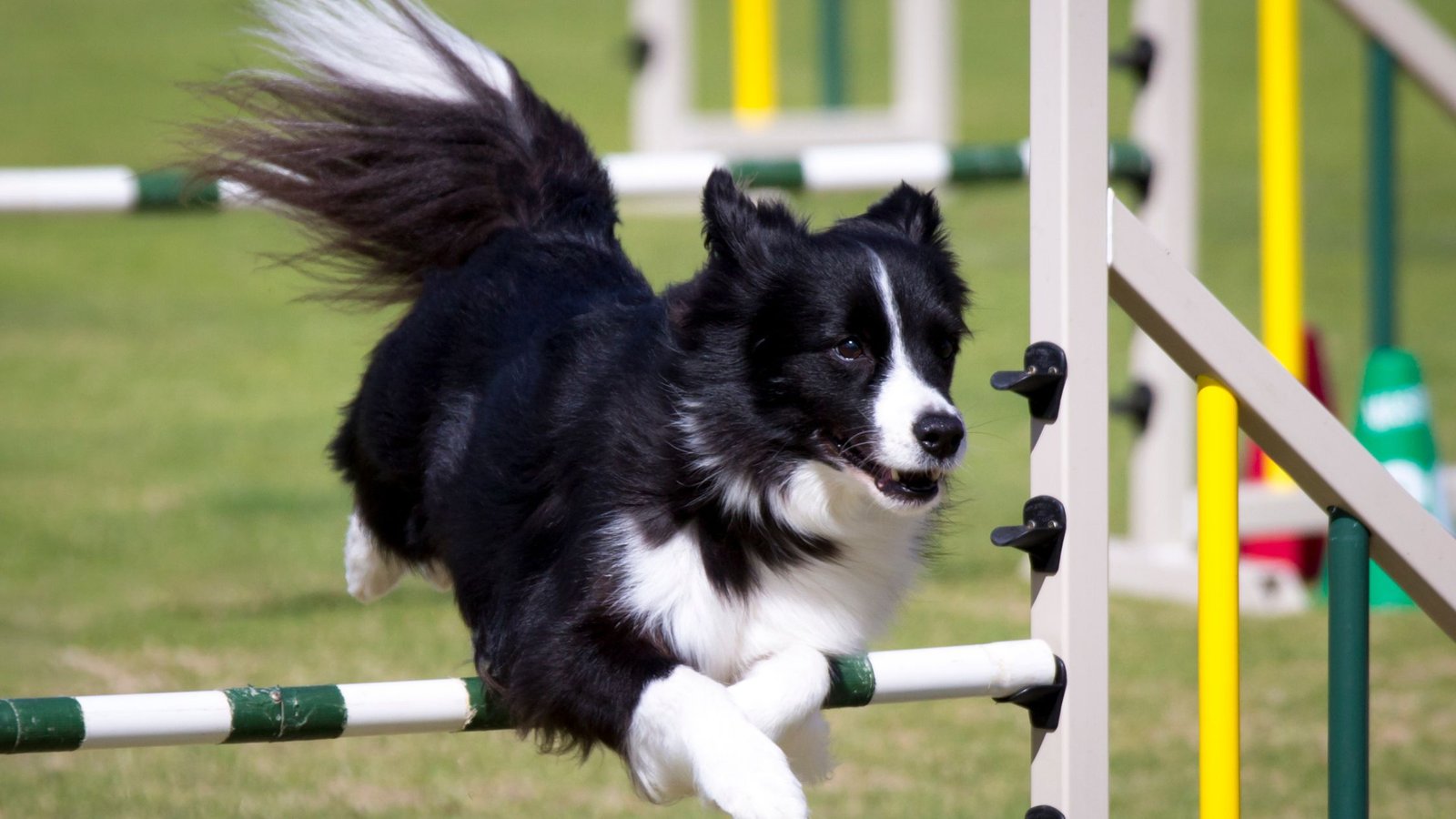
Border Collie Training
A Complete Guide to Raising a Well-Behaved, Happy and Obedient Dog
Border Collies are incredibly intelligent, energetic and eager to work. They can learn commands quickly, pick up new behaviours almost effortlessly and become wonderful family companions. But there is another side to owning one.
Without proper training, mental stimulation and consistent boundaries, a Border Collie can become difficult to manage. Excessive barking, chasing, nipping, destructive behaviour and ignoring commands are common frustrations for owners who underestimate just how much this breed needs.
The good news? With the right approach, Border Collie training can be an incredibly rewarding experience.
Whether you have just brought home a Border Collie puppy or are trying to improve the behaviour of an older dog, this guide will show you how to build good habits, teach essential commands, manage their energy and develop a stronger relationship with your dog.
At MyDogTrained.com, our goal is to make dog training practical, understandable and achievable for everyday owners. You don’t need to be a professional trainer. You need patience, consistency and a training plan that works with your dog’s natural intelligence and instincts.
Let’s get started.

Understanding Your Border Collie’s Behaviour Before Training
Before teaching commands, it helps to understand what makes this breed different.
Border Collies were developed as working sheepdogs. Their natural instincts include watching, chasing, controlling movement and responding quickly to human direction.
These instincts make them outstanding working dogs, but they can also create challenges in a typical household.
Why Border Collies Need More Training Than Some Breeds
Border Collies are famous for their intelligence. However, being clever doesn’t automatically mean being obedient.
A Border Collie that hasn’t learned appropriate behaviour may find its own entertainment. Unfortunately, that entertainment might involve chasing bicycles, herding children, barking at passing cars or chewing furniture.
Common behavioural challenges include:
- Nipping and herding: Attempting to control the movement of children, other pets or visitors.
- Excessive barking: Reacting to noises, movement or boredom.
- Destructive chewing: Finding inappropriate ways to release excess energy.
- Chasing behaviour: Running after cars, joggers, bicycles and wildlife.
- Poor recall: Becoming so interested in something that returning to their owner seems unimportant.
- Restlessness: Struggling to settle when there isn’t something interesting happening.
The important thing is not to punish your dog for having natural instincts. Instead, teach them how to channel those instincts into acceptable behaviour.
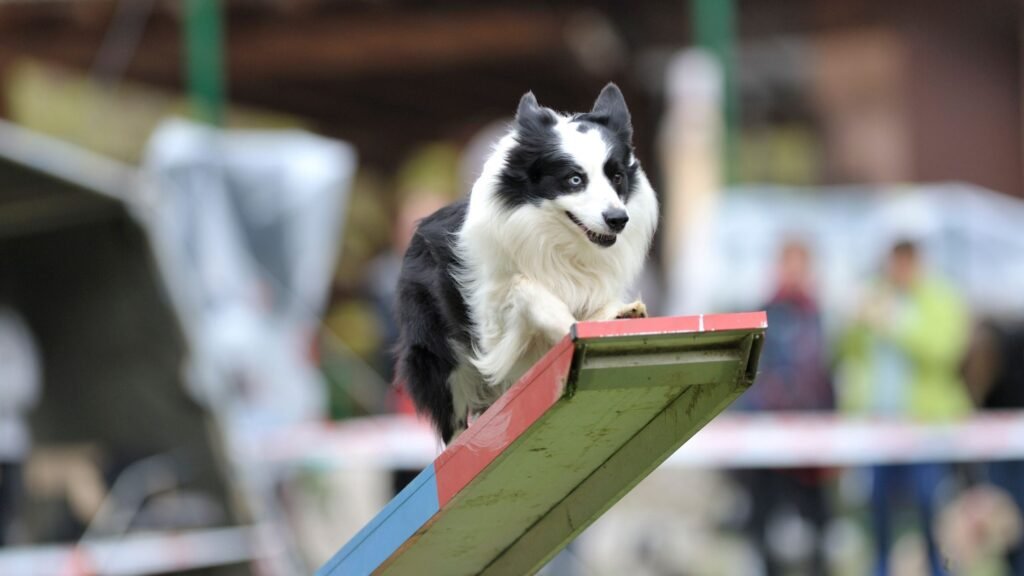
Mental Stimulation Is Just as Important as Exercise
One of the biggest mistakes Border Collie owners make is assuming that a long walk will solve every behavioural problem.
Exercise is essential, but this breed also needs mental challenges.
Try incorporating activities such as:
- Food puzzles and interactive feeders.
- Hide-and-seek games.
- Scent detection activities.
- Short obedience sessions.
- Learning new tricks.
- Finding hidden toys.
- Structured fetch games.
A 10-minute training session that makes your dog think can be surprisingly valuable.
Border Collie Training: Start With These Essential Commands
Every Border Collie should learn a handful of basic commands.
These behaviours help you manage everyday situations, improve safety and establish clear communication between you and your dog.
Keep training sessions short, positive and consistent.
1. Teach Your Border Collie to Sit
Sit is one of the easiest commands to introduce and provides a useful foundation for other behaviours.
Follow these steps:
- Hold a small training treat close to your dog’s nose.
- Slowly move the treat upwards and slightly towards the back of their head.
- As your dog follows the treat, their bottom should naturally move towards the floor.
- The moment they sit, say “Sit” and reward them.
- Repeat several times, gradually reducing your reliance on the food lure.
Once your dog understands the command, practise in different locations.
Ask for a sit before putting down their food bowl, opening the front door or attaching their lead.
These everyday opportunities reinforce good manners.
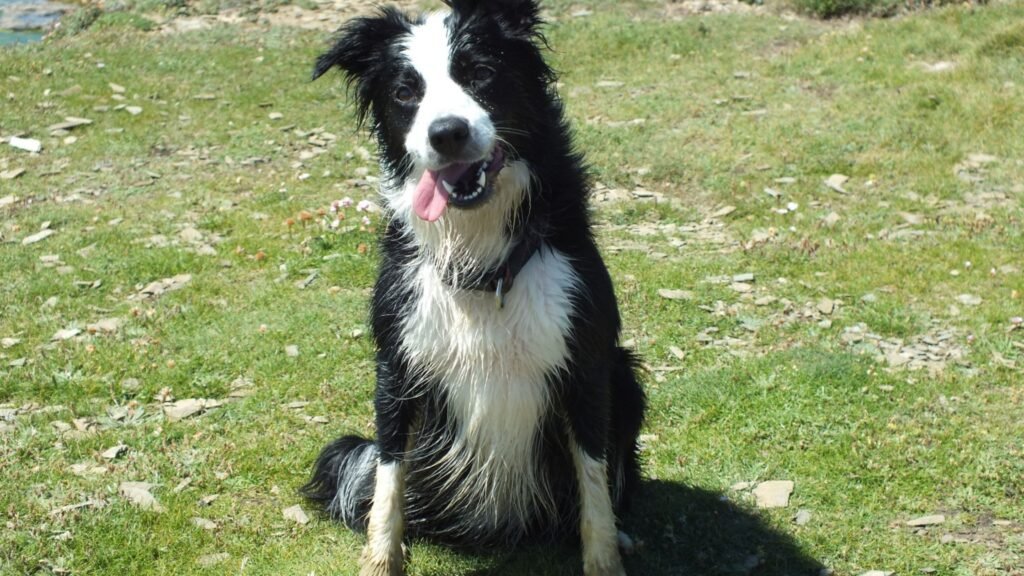
2. Teach the Stay Command
Teaching your Border Collie to Stay helps develop impulse control.
Start somewhere quiet without distractions.
- Ask your dog to sit.
- Hold your hand out with your palm facing them.
- Say “Stay” in a calm, clear voice.
- Wait for one or two seconds.
- Reward your dog while they remain in position.
- Gradually increase the duration.
- Introduce a release word such as “Free”.
Don’t increase the distance, duration and distractions all at once.
If your dog gets up, calmly reset and make the next attempt easier.
The goal is to teach your dog that staying in position is worthwhile.
3. Teach Reliable Recall
Recall is one of the most important skills your Border Collie can learn.
A reliable “Come” command could prevent your dog from running into dangerous situations.
Start indoors or in a securely fenced area.
- Move a short distance away from your dog.
- Say their name followed by “Come”.
- Use an enthusiastic, encouraging voice.
- Reward them generously when they reach you.
- Gradually practise from greater distances.
- Introduce distractions slowly.
Use a long training line when practising outdoors in open spaces.
Never assume your Border Collie is ready for off-lead freedom simply because they respond well inside the house.
Also, avoid calling your dog to punish them or immediately end every enjoyable activity. You want coming back to you to remain a positive experience.
4. Teach Loose-Leash Walking
Border Collies can become excited by movement, other dogs and interesting smells.
This excitement can turn an ordinary walk into a constant pulling battle.
To teach loose-leash walking:
- Begin in a quiet environment.
- Hold the lead comfortably without keeping constant tension.
- Reward your dog whenever they walk beside you with a loose lead.
- If they pull, stop moving.
- Wait for the lead to loosen before continuing.
- Reward them when they return to the correct position.
Be consistent.
If pulling sometimes gets your dog where they want to go, they will continue trying it.
Short, successful training walks are often more productive than long walks filled with frustration.
How to Train a Border Collie Puppy
Starting early gives you an excellent opportunity to establish good habits before unwanted behaviours become established.
Border Collie puppies are curious, energetic and quick learners. However, they also have short attention spans and need plenty of rest.
Begin Socialisation Early
Socialisation is about teaching your puppy that the world is a safe and interesting place.
It doesn’t mean forcing them to meet every dog or person.
Introduce your puppy gradually to:
- Different types of people.
- Household noises and appliances.
- Traffic sounds.
- Different walking surfaces.
- Friendly, healthy and appropriately vaccinated dogs.
- Car journeys.
- New environments.
Reward calm behaviour and allow your puppy to investigate at their own pace.
The early socialisation period is particularly important, so speak with your veterinarian about safe opportunities before your puppy has completed their vaccinations.
Establish a Toilet Training Routine
Toilet training requires patience and repetition.
Take your puppy outside:
- Immediately after waking.
- After meals.
- After drinking.
- Following play sessions.
- Before bedtime.
- Whenever they show signs of needing to go.
Choose a consistent toilet area.
When your puppy goes in the correct place, reward them immediately.
If an accident happens indoors, clean it thoroughly without punishment. Punishing a puppy for an accident can create anxiety without teaching them where they should go.
Stop Puppy Nipping and Biting
Border Collies often use their mouths during play and may attempt to nip moving feet or hands.
This can be particularly frustrating for families with young children.
When your puppy starts biting:
- Stop the game immediately.
- Keep your hands and feet still rather than encouraging more movement.
- Redirect your puppy towards an appropriate chew toy.
- Praise them when they engage with the toy.
- Give them a quiet break if they become overstimulated.
Avoid shouting, hitting or physically intimidating your puppy.
If nipping becomes intense, persistent or difficult to interrupt, seek help from a qualified reward-based trainer.
Managing Border Collie Herding Instincts
Herding behaviour is natural for this breed.
Your Border Collie may stare intensely at moving objects, circle other dogs, chase children or attempt to control everyone walking through the house.
The key is teaching your dog when these behaviours are appropriate and when they need to stop.
How to Stop Your Border Collie From Chasing
Chasing cars, bicycles and joggers is particularly dangerous.
Start by identifying what triggers the behaviour.
Does your dog react to:
- Cars passing the front of your home?
- Children running through the garden?
- Cyclists on walking paths?
- Other dogs playing?
- Birds and wildlife?
Once you understand the trigger, work at a distance where your dog can still respond to you.
Reward your dog for noticing the moving object and then looking back towards you.
Gradually reduce the distance as your dog becomes more comfortable.
Use secure fencing, a lead or a suitable long line to prevent chasing while training.
Never allow your Border Collie to practise chasing traffic. Management and prevention are essential while you work on the behaviour.
Stop Your Dog From Herding Children
Some Border Collies attempt to control children by circling, barking or nipping at their heels.
This behaviour should never be ignored.
Try the following:
- Supervise all interactions between your dog and children.
- Use baby gates or separate areas when necessary.
- Reward your dog for calm behaviour around family members.
- Teach a reliable “Leave It” command.
- Provide appropriate outlets for chasing and movement-based play.
Never expect young children to manage a dog’s herding behaviour themselves.
If your dog is repeatedly nipping or attempting to control children, arrange an assessment with a qualified behaviour professional.
How to Keep Your Border Collie Mentally and Physically Happy
A well-trained Border Collie needs more than obedience exercises.
These dogs thrive when they have a combination of physical activity, mental stimulation and opportunities to use their natural abilities.
Create a Daily Exercise Routine
Most healthy adult Border Collies need substantial daily activity, although individual requirements vary with age, health and temperament.
Useful activities include:
- Brisk walks.
- Controlled games of fetch.
- Hiking on suitable trails.
- Swimming, where safe and appropriate.
- Agility training.
- Structured play with other suitable dogs.
Avoid excessive high-impact exercise for young puppies.
Their growing joints and developing bodies need appropriate activity rather than endless running and jumping.
Introduce Interactive Brain Games
Mental stimulation helps prevent boredom and gives your dog something productive to do.
Try these simple activities.
The Hidden Treat Game
- Ask your dog to wait in another room.
- Hide several treats around an accessible area.
- Release your dog with the command “Find It”.
- Encourage them to search using their nose.
- Praise them when they discover each treat.
The Toy Identification Game
Teach your Border Collie to recognise different toys by name.
Start with one toy and repeat its name during play.
Once your dog understands, introduce another toy and gradually ask them to retrieve the correct one.
This is an excellent way to combine learning and play.
Food Puzzle Activities
Use suitable puzzle feeders or scatter part of your dog’s daily food allowance across a safe search area.
These activities encourage problem-solving and natural sniffing behaviour.
Common Border Collie Training Mistakes to Avoid
Even experienced dog owners can accidentally create training problems.
Understanding these mistakes can save you considerable frustration.
1. Expecting Too Much Too Soon
Border Collies learn quickly, but they are still dogs.
Learning a command in the kitchen doesn’t mean your dog understands it at the park.
Practise in different environments and gradually introduce distractions.
2. Using Too Much Repetition
Repeating the same command over and over can teach your dog that the first instruction doesn’t matter.
Give your command once, then help your dog succeed.
If they don’t respond, reduce the difficulty and try again.
3. Relying Only on Physical Exercise
Trying to exhaust a Border Collie through endless running can create a dog with excellent stamina but very little ability to settle.
Balance exercise with obedience, scent games, problem-solving and relaxation.
4. Inconsistent Rules
If your dog is allowed to jump on the sofa one day but gets told off for doing it the next, they will struggle to understand what you expect.
Make sure everyone in your household follows the same rules and uses consistent commands.
5. Punishing Natural Instincts
Your Border Collie isn’t being deliberately difficult because it wants to chase movement or investigate interesting smells.
Use redirection, management and reward-based training to teach alternative behaviours.
Expert Tips for Getting Better Training Results
A few simple adjustments can make your training sessions much more successful.
Keep sessions short: Aim for around 5–10 minutes at a time, adjusting to your dog’s age and attention span.
Use rewards your dog values: Small food treats, toys, praise and play can all work as rewards.
Finish on a success: End sessions after your dog completes something correctly, even if it’s a simple command.
Train throughout the day: Practise commands during ordinary activities rather than relying entirely on formal sessions.
Reward calmness: Teach your dog that relaxing quietly on a mat or bed is just as worthwhile as running around.
Be patient: Some behaviours take weeks or months to improve. Consistency matters more than rushing.
One particularly useful exercise is teaching your Border Collie to settle on a designated mat.
Reward your dog for stepping onto the mat, lying down and remaining relaxed. Gradually increase the time between rewards.
This teaches an energetic working breed that doing nothing can also be rewarding.
Frequently Asked Questions About Border Collie Training
1. Are Border Collies easy to train?
Yes, Border Collies are generally considered one of the most trainable dog breeds because of their intelligence and willingness to work with people.
However, their intelligence doesn’t guarantee good behaviour.
They need consistent boundaries, regular mental stimulation and structured training. Without these things, they can develop unwanted habits despite being highly intelligent.
2. How long does it take to train a Border Collie?
Basic commands such as sit, stay and come can begin developing within days or weeks when training is consistent.
However, reliable obedience around distractions takes considerably longer.
Puppy training, socialisation, recall and behavioural skills should be treated as ongoing learning rather than something you complete in a few weeks.
Every dog learns at a different pace.
3. How much exercise does a Border Collie need every day?
Most healthy adult Border Collies need around 1–2 hours of daily physical activity, depending on their age, health and individual energy levels.
However, exercise alone isn’t enough.
Include mental stimulation, obedience practice, sniffing activities and opportunities to relax. Puppies, senior dogs and dogs with health conditions need exercise plans suited to their individual needs.
Conclusion: Make Border Collie Training a Daily Priority
Successful Border Collie training isn’t about having the smartest dog on the street or teaching dozens of impressive tricks.
It’s about creating a dog that listens, understands boundaries, feels confident and knows how to behave in everyday situations.
Start with the basics. Teach sit, stay, recall and loose-leash walking. Introduce mental stimulation, manage natural herding instincts and reward the behaviours you want to see more often.
Most importantly, make training part of your daily routine.
Your Border Collie wants to learn, work with you and be involved in your life. Give them the structure and guidance they need, and you’ll build a relationship based on trust, communication and mutual respect.
Start with one command today, practise it consistently and celebrate every small improvement. A well-trained Border Collie isn’t created overnight, but every successful training session brings you one step closer.
For more practical advice, training techniques and expert dog ownership guides, keep exploring MyDogTrained.com and make your dog’s training journey a rewarding experience.