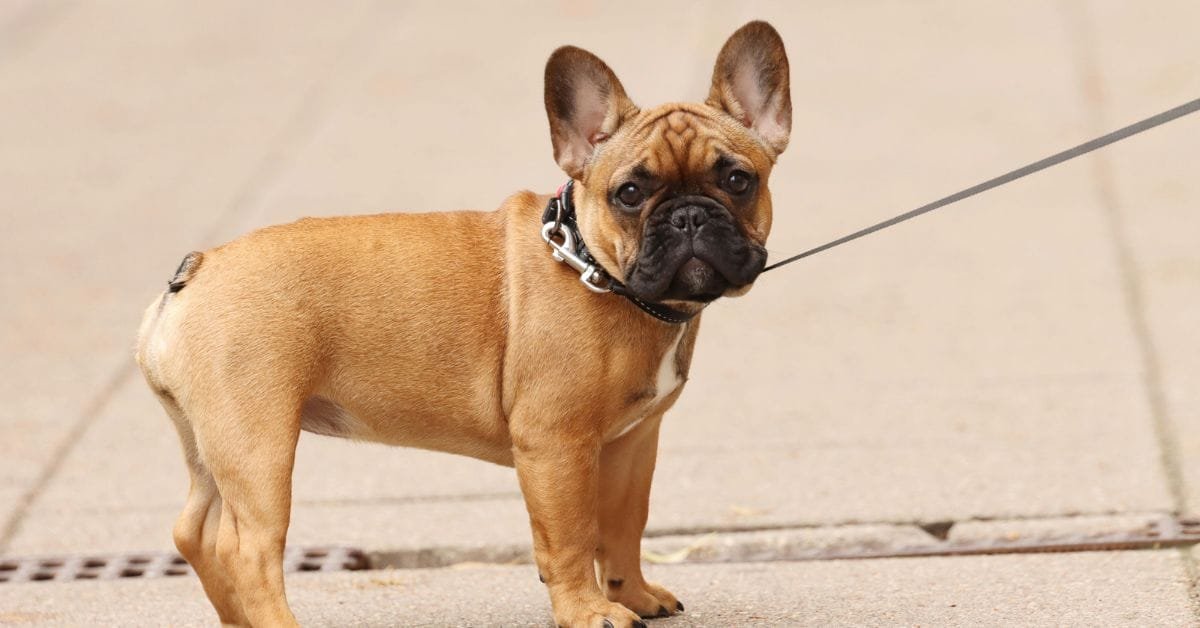
How to Train a Stubborn French Bulldog
A Practical Guide for Dog Owners
Have you ever asked your French Bulldog to sit, come when called, or stop chewing something, only to be met with a blank stare or a dog that simply walks away? You are not alone. French Bulldogs are affectionate, intelligent, entertaining dogs, but their independent streak can make training feel like a battle of wills.
The good news is that you do not need to be a professional dog trainer to make progress. Learning how to train a stubborn French Bulldog starts with understanding what motivates your dog, making lessons enjoyable, and using consistent methods that encourage the behaviour you want.
At mydogtrained.com, we believe successful dog training should be practical, rewarding, and achievable for everyday owners. This guide will show you how to build cooperation, teach essential commands, manage common behaviour problems, and help your Frenchie become a more confident and responsive companion.

Why Are French Bulldogs So Stubborn?
Before changing your dog’s behaviour, it helps to understand why French Bulldogs sometimes appear unwilling to listen.
French Bulldogs were bred primarily as companion dogs. They often enjoy human company, but they can also be independent, easily distracted, and selective about when they respond to instructions.
What looks like stubbornness may have several causes.
1. Your Frenchie Is Easily Distracted
French Bulldogs can become more interested in an exciting smell, a passing dog, a favourite toy, or a visitor than in following a command.
If your dog ignores you in a busy environment, the problem may be that the surroundings are too distracting for their current training level.
The solution: Start in a quiet room and gradually introduce distractions as your dog improves.
2. Your Dog Does Not Understand the Command
Sometimes owners repeat instructions such as “sit” or “come” because they assume their dog understands them.
However, if the command has not been taught clearly and reinforced consistently, your Frenchie may not know what you expect.
The solution: Teach one behaviour at a time, reward the correct response, and avoid repeating commands unnecessarily.
3. Your Frenchie Has Lost Interest
French Bulldogs often respond well to food rewards, praise, toys, and playful interaction. Long training sessions can become boring, especially when the same exercise is repeated too many times.
The solution: Keep lessons short, enjoyable, and rewarding.
4. Your Dog May Be Uncomfortable
A French Bulldog that suddenly stops responding, refuses to move, or avoids certain exercises may be experiencing discomfort rather than displaying defiance.
French Bulldogs are a brachycephalic breed, meaning they have shortened facial structures that can contribute to breathing difficulties and reduced exercise tolerance.
The solution: Use gentle training sessions, avoid overheating, and speak with your veterinarian if your dog shows unusual reluctance, pain, excessive panting, or breathing difficulties.
How to Train a Stubborn French Bulldog Using Positive Reinforcement
Positive reinforcement is one of the most useful approaches for teaching dogs new behaviours. Instead of punishing mistakes, you reward the actions you want your dog to repeat.
This helps your Frenchie learn that listening to you leads to something enjoyable.
Step 1: Discover What Motivates Your Dog
Not every French Bulldog wants the same reward. Some will happily work for small pieces of food, while others respond better to toys, praise, or a quick game.
Try several options and observe which ones your dog finds most exciting.
Useful rewards include:
- Small pieces of your dog’s regular kibble.
- Tiny, dog-safe training treats.
- A favourite toy.
- Verbal praise and gentle affection.
- A brief play session, if your dog enjoys it.
Keep treats small so you can reward frequently without overfeeding. Account for training treats in your dog’s daily food allowance.
Expert tip: Train before a regular meal if your dog is more food-motivated at that time, but never withhold food to force cooperation.
Step 2: Choose a Quiet Training Area
Begin somewhere familiar, such as your living room or a secure, quiet garden.
Remove unnecessary distractions and keep your dog close enough to engage with you comfortably.
Start with one simple exercise, such as responding to their name or sitting on cue.
When your Frenchie succeeds, reward immediately. This helps them connect the behaviour with the reward.
Step 3: Use Short, Consistent Sessions
A practical starting point is three to five minutes per session, repeated a few times throughout the day if your dog remains comfortable and interested.
For example, you might practise before breakfast, during a quiet afternoon, and before an evening play session.
Stop while your dog is still enjoying the activity. If they become tired, frustrated, overheated, or disengaged, take a break.
Remember: Five minutes of focused learning is more useful than a long session filled with frustration.
Step 4: Reward the Behaviour You Want
Imagine your French Bulldog sits naturally while you prepare a treat.
You can say “Yes!” and immediately deliver the reward. After several repetitions, introduce the verbal cue “Sit” just before you expect the behaviour.
Follow this simple pattern:
- Give the cue once.
- Wait briefly for your dog to respond.
- Mark the correct behaviour with “Yes!” or a clicker.
- Deliver the reward immediately.
- Repeat a few times, then take a break.
Avoid shouting the command or repeating it five times. If your dog does not respond, make the exercise easier and help them succeed.
How to Train a Stubborn French Bulldog to Follow Basic Commands
Basic obedience gives you a foundation for managing everyday behaviour. Start with a few useful commands and practise them in different locations once your dog understands them.
Teach Your French Bulldog to Sit
The “Sit” command is a useful starting point because it encourages calm behaviour in everyday situations.
- Hold a small treat near your dog’s nose.
- Move the treat slowly upwards and slightly towards the back of their head.
- As your dog follows the treat, their bottom may naturally lower.
- The moment they sit, say “Yes!” and give the treat.
- Repeat a few times before introducing the verbal cue.
Do not push your dog’s bottom down. Allow the movement to happen naturally.
Practise before meals, before attaching the lead, and when greeting familiar people.
Teach Your French Bulldog to Come When Called
A reliable recall can help you manage your dog safely, particularly in enclosed outdoor areas.
Begin indoors when there are few distractions.
- Move a short distance away from your dog.
- Say their name followed by “Come!” in a cheerful voice.
- Encourage them with an inviting gesture if necessary.
- Reward them generously when they reach you.
- Gradually increase the distance as they improve.
Never call your dog to punish them or end every enjoyable activity. If coming to you always means something unpleasant happens next, your Frenchie may become reluctant to respond.
Practise on a long training line in a secure area before considering more challenging environments. Keep your dog on a lead in public spaces unless they are in an appropriate enclosed area.
Teach Your Frenchie to Stay
The “Stay” command teaches your dog to remain in position until released.
Ask your dog to sit, then say “Stay” and wait for just one second. Reward them while they remain in position, then use a release word such as “Free!”
Build duration slowly.
- Start with one or two seconds.
- Gradually increase the time.
- Introduce a small step away.
- Practise with mild distractions.
- Reward successful repetitions.
If your dog gets up, reduce the difficulty instead of scolding them.
Teach Loose-Lead Walking
Some French Bulldogs pull on the lead because they are excited to explore or have learned that pulling gets them where they want to go.
Start in a quiet area and reward your dog when they walk beside you with a relaxed lead.
If the lead becomes tight, stop moving or gently change direction when it is safe to do so. Resume walking when your dog returns to a comfortable position.
Keep walks suitable for your dog’s fitness and breathing ability. Use a well-fitted harness that does not restrict movement or breathing, and avoid strenuous activity in hot or humid weather.
How to Stop Common French Bulldog Behaviour Problems
Training becomes easier when you address the reason behind a behaviour instead of simply trying to suppress it.
Problem 1: Your French Bulldog Ignores You
If your dog responds perfectly indoors but ignores you outside, they may not yet understand that the command applies in different environments.
What to do:
- Return to an easier training location.
- Use a more appealing reward.
- Increase distractions gradually.
- Reward even small improvements.
- Practise regularly rather than expecting instant results.
Your dog needs to learn that listening to you is worthwhile in different situations.
Problem 2: Your Frenchie Jumps on Visitors
Jumping often attracts attention, even when people push the dog away or tell them to stop.
Instead, reward your Frenchie for keeping all four paws on the floor.
Ask visitors to give attention when your dog is calm. If excitement becomes overwhelming, use a lead or baby gate to manage the greeting while your dog settles.
Teach an alternative behaviour, such as “Sit”, before opening the door.
Problem 3: Your Dog Chews Furniture or Shoes
Chewing is a normal canine behaviour, particularly in puppies, but inappropriate chewing can damage belongings and create safety risks.
Provide suitable chew toys and supervise your dog when they are learning household rules.
If you catch your Frenchie chewing an inappropriate object, calmly redirect them to an appropriate toy and praise them for using it.
Keep shoes, electrical cables, medications, and other dangerous items out of reach.
If destructive chewing occurs mainly when your dog is left alone, investigate whether boredom, unmet needs, or separation-related distress could be contributing factors.
Problem 4: Your French Bulldog Refuses to Walk
A Frenchie that suddenly refuses to walk should not automatically be labelled stubborn.
Check for uncomfortable equipment, hot pavement, fatigue, fear, or signs of pain. Because French Bulldogs can have significant breathing limitations, stop activity if your dog struggles to breathe, becomes distressed, or cannot recover comfortably.
If the refusal is new or persistent, arrange a veterinary assessment before increasing exercise.
Common Mistakes to Avoid When Training a Stubborn French Bulldog
Even well-meaning owners can accidentally make training more difficult.
Repeating Commands Too Often
Saying “Come, come, come!” teaches your dog that the first cue can be ignored.
Give the cue once, wait briefly, and adjust the situation if your dog cannot respond.
Using Punishment or Intimidation
Shouting, hitting, leash jerks, and frightening corrections can damage trust and increase fear or defensive behaviour.
Reward-based training teaches your dog what to do instead and gives them a clear reason to cooperate.
Expecting Results Too Quickly
Dogs learn at different rates. A Frenchie may understand “Sit” in the kitchen but struggle to respond in a busy park.
Build skills gradually and measure progress against your dog’s previous performance, not another dog’s behaviour.
Training Only When Something Goes Wrong
If training happens only when your dog misbehaves, it can become associated with frustration.
Practise useful behaviours during calm, everyday moments. Reward your Frenchie for checking in with you, settling on a mat, and walking calmly around the home.
Ignoring Sleep, Exercise, and Mental Stimulation
An overtired, uncomfortable, or under-stimulated dog may struggle to concentrate.
Provide appropriate rest, gentle play, safe sniffing opportunities, and food puzzles suited to your dog’s abilities. Avoid strenuous exercise or overheating.
A Simple Seven-Day Training Plan for Your French Bulldog
Consistency matters more than completing a large number of exercises in one day. Use this seven-day plan as a starting point, repeating days whenever your dog needs more practice.
| Day | Training focus | What to practise |
|---|---|---|
| 1 | Attention | Reward your dog for responding to their name. |
| 2 | Sit | Practise short sessions in a quiet room. |
| 3 | Come | Call your dog over a short distance indoors. |
| 4 | Stay | Build a brief, comfortable pause before releasing. |
| 5 | Loose-lead walking | Reward walking with a relaxed lead indoors or in a quiet area. |
| 6 | Calm greetings | Reward four paws on the floor and a settled sit. |
| 7 | Review | Repeat the easiest commands and reward good responses. |
Keep sessions brief and stop before your dog becomes tired or frustrated. If a behaviour is not reliable yet, repeat the previous step rather than moving ahead simply because the schedule says so.
After the first week, continue practising and gradually introduce new environments, people, and distractions.
Expert Tips for Faster Training Progress
Small changes to your daily routine can make a noticeable difference.
Use rewards throughout the day. Ask for a sit before meals or reward calm behaviour while you prepare the lead.
Make success easy. If your dog repeatedly fails a command, reduce the distance, duration, or distractions.
Be consistent with household rules. Everyone should use the same cue words and reward the same desired behaviours.
Keep a simple training record. Note what you practised, what worked, and which situations were difficult. This helps you identify patterns instead of assuming your dog is deliberately ignoring you.
Recognise when professional help is needed. If your French Bulldog displays aggression, severe fear, intense separation distress, or persistent behaviour problems, consult a qualified reward-based trainer or veterinary behaviour professional. A veterinarian should assess sudden behavioural changes or suspected pain.
Frequently Asked Questions
1. Are French Bulldogs difficult to train?
French Bulldogs can be independent and easily distracted, but they are capable of learning a wide range of useful behaviours. Short sessions, clear instructions, rewarding motivation, and consistent practice can make training much easier.
The key is to adapt your approach to your individual dog rather than assuming every Frenchie will respond in the same way.
2. What is the best age to train a French Bulldog?
You can begin teaching simple behaviours as soon as your puppy comes home, usually around eight weeks of age. Focus on their name, gentle handling, toilet routines, safe socialisation, and short reward-based exercises.
Adult French Bulldogs can also learn new behaviours. Older dogs may need more repetition, but their age does not prevent them from making meaningful progress.
3. How long does it take to train a stubborn French Bulldog?
The time required depends on your dog’s age, previous experience, temperament, health, and the behaviour you want to teach.
Some dogs learn a simple cue within a few sessions, while reliable recall, loose-lead walking, and calm greetings may take weeks or months of consistent practice. Continue rewarding progress and practise around distractions gradually.
Conclusion: How to Train a Stubborn French Bulldog Successfully
Learning how to train a stubborn French Bulldog is not about winning an argument with your dog. It is about building communication, trust, and habits that make everyday life easier for both of you.
Start with one simple command, choose a reward your Frenchie loves, and practise for a few minutes each day. Celebrate small improvements, avoid harsh corrections, and remember that apparent stubbornness may sometimes signal confusion, distraction, fear, or discomfort.
Your French Bulldog does not need to become perfectly obedient overnight. They need a patient owner who makes learning clear, consistent, and rewarding.
Your next step: Choose one behaviour to work on today, whether it is “Sit,” “Come,” or walking calmly on the lead. Practise in a quiet environment, reward every genuine success, and build from there. With patience and the right approach, you can help your Frenchie become a more responsive, confident, and enjoyable companion.