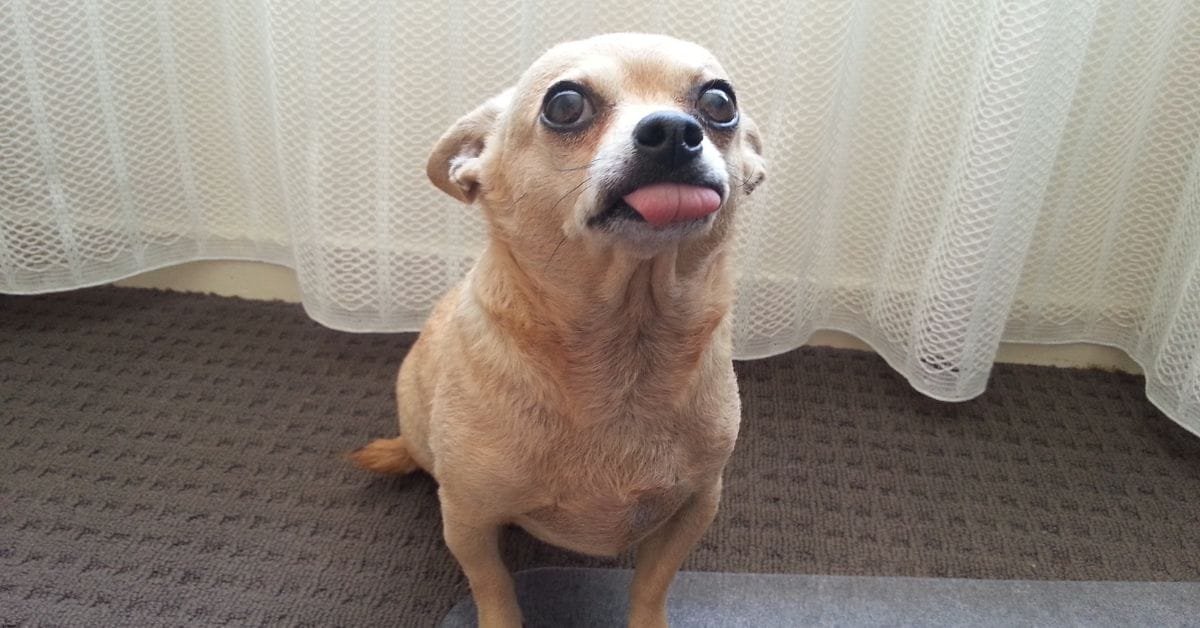
How to Housebreak a Chihuahua Puppy
A Step-by-Step Guide for Success
Housebreaking a Chihuahua puppy can test your patience. One minute, your tiny companion is playing happily beside you; the next, you discover a puddle on the carpet. You take your puppy outside, wait patiently, and come back indoors, only to find another accident a few minutes later.
If this sounds familiar, you are not alone. Chihuahuas are intelligent, affectionate dogs, but their tiny bladders, small bodies, and sometimes stubborn personalities can make toilet training challenging.
The good news? With the right routine, consistent rewards, and a little patience, you can teach your Chihuahua puppy where to go to the toilet.
In this guide from mydogtrained.com, you will learn how to housebreak a Chihuahua puppy step by step, establish a reliable toilet schedule, prevent accidents, handle nighttime training, and avoid common mistakes that can slow your progress.
Let’s get started.

Why Is Housebreaking a Chihuahua Puppy So Challenging?
Chihuahuas may be small, but they are clever dogs that can learn household rules when training is consistent. However, several characteristics can make housebreaking more demanding than owners expect.
1. They Have Tiny Bladders
A young Chihuahua puppy cannot hold its urine for as long as an adult dog. Puppies also have limited control over their bladder and bowel movements, particularly when they are excited, playing, or waking up from a nap.
This means your puppy may need frequent toilet breaks throughout the day. Waiting until your puppy starts sniffing or circling can sometimes be too late.
2. They Can Be Sensitive to Cold and Wet Weather
Chihuahuas have little body mass, and many dislike cold temperatures, rain, or wet grass. Your puppy may rush back inside without finishing its toilet business.
If the weather is unpleasant, provide a sheltered outdoor toilet area or consider a consistent indoor toilet station if that suits your household.
3. Small Accidents Are Easy to Miss
A Chihuahua can quietly sneak behind furniture or into another room to relieve itself. Because the resulting puddles are small, you might not discover them until much later.
Limiting your puppy’s access to the house during early training makes supervision easier and helps prevent hidden accidents.
4. Excitement Can Interrupt Toilet Training
Some puppies become so excited when greeting family members or playing that they forget to relieve themselves beforehand.
Take your Chihuahua to its toilet area after exciting activities, visitors, and play sessions.

How to Housebreak a Chihuahua Puppy: Start With a Routine
The foundation of successful housebreaking is predictability. Your puppy needs frequent opportunities to use the correct toilet area, along with immediate rewards for getting it right.
Before you begin, choose your toilet location and decide on your preferred method.
You can train your Chihuahua to toilet outdoors, use indoor puppy pads, or gradually transition from pads to outdoor toileting. Whichever approach you choose, consistency matters.
Step 1: Choose a Designated Toilet Area
If you want your Chihuahua to toilet outdoors, select one easily accessible location in your garden or yard.
Take your puppy to the same spot whenever possible. Familiar smells can help your dog associate that location with toileting.
For indoor training, place a puppy pad or suitable washable toilet tray in a quiet, easy-to-clean location. Keep it away from food, water bowls, and sleeping areas.
Expert tip: Avoid moving the toilet station around unnecessarily. Your Chihuahua will learn more quickly when the correct location remains predictable.
Step 2: Establish a Frequent Toilet Schedule
Do not wait for your puppy to tell you it needs to go. Take it to the toilet area proactively throughout the day.
A useful starting schedule includes:
- Immediately after waking up: Take your puppy straight to the toilet area.
- After meals: Offer a toilet break shortly after eating, particularly for bowel movements.
- After drinking: Provide a toilet opportunity, especially after a larger drink.
- After naps: Puppies often need to relieve themselves as soon as they wake.
- After playtime: Excitement and activity can trigger the need to toilet.
- Before bedtime: Give your puppy a final opportunity to empty its bladder.
- Regularly throughout the day: Start with a break every 30–60 minutes while your puppy is awake, adjusting according to age, individual needs, and success.
Very young puppies may need even more frequent opportunities. Increase the intervals gradually only when your Chihuahua consistently stays clean between breaks.
Remember that a toilet schedule is a starting point, not a guarantee that every puppy can wait for the same length of time.
Step 3: Introduce a Toilet Command
Choose a short phrase such as “Go potty” or “Toilet time.”
Use the same words each time you take your puppy to its designated toilet area.
Follow this simple process:
- Take your Chihuahua to the correct spot.
- Stand quietly and give it a few minutes to investigate.
- Say your chosen toilet cue once in a calm voice.
- Wait without turning the visit into a play session.
- As soon as your puppy finishes, praise it and offer a small treat.
The reward must come immediately after toileting, while your puppy can connect the reward with the behaviour.
Avoid repeating the command constantly. Give your puppy time to sniff and settle before deciding whether it needs another opportunity.
Step 4: Reward Every Successful Toilet Visit
Positive reinforcement is one of the most effective tools for housebreaking a puppy.
When your Chihuahua toilets in the correct place, respond with enthusiastic but gentle praise and a tiny, puppy-safe treat.
Your puppy begins to learn a simple association: using the designated toilet area makes good things happen.
Use small treats so rewards do not interfere with your puppy’s balanced diet. You can also use praise, affection, or a brief play session if your dog finds those rewards motivating.
Important: Do not reward your puppy merely for entering the toilet area. Wait until it has finished relieving itself.
Step 5: Supervise Your Chihuahua Indoors
Until your puppy is reliably housebroken, it should not have unrestricted access to the entire home.
Keep your Chihuahua in the same room as you whenever possible. Watch for common pre-toilet signals, including:
- Sniffing the floor repeatedly.
- Circling or wandering away.
- Suddenly stopping play.
- Restlessness or pacing.
- Moving behind furniture.
- Heading towards a previously soiled area.
When you notice these behaviours, calmly take your puppy to its toilet spot.
A puppy pen or properly introduced crate can help manage the environment when used appropriately. Make sure your Chihuahua has enough room to stand, turn around, and lie down comfortably.
Never use confinement as punishment, and do not leave a puppy confined for longer than its age and needs allow.
How to Housebreak a Chihuahua Puppy Without Constant Accidents
Accidents are part of the learning process, but you can reduce their frequency by managing your puppy’s environment and responding consistently.
Use a Simple Supervision System
When your Chihuahua is awake, think in terms of three options:
- Supervised freedom: Your puppy can explore a small area while you actively watch it.
- Managed rest: Use a suitable pen or crate for safe, age-appropriate downtime.
- Toilet opportunity: Take your puppy to the designated area at scheduled intervals and whenever warning signs appear.
This approach reduces opportunities for mistakes while allowing your puppy to learn through repetition.
Keep a Toilet Diary
For several days, record when your puppy eats, drinks, sleeps, plays, and toilets.
Note the times of successful toilet visits and any accidents. You may discover that your Chihuahua usually needs to toilet shortly after breakfast or within a predictable period after a nap.
Use those observations to refine your schedule.
For example, if accidents regularly happen 25 minutes after playtime, take your puppy to the toilet area before that point rather than waiting for another mistake.
Clean Accidents Thoroughly
Ordinary household cleaners may remove visible stains without fully eliminating the odours that attract dogs back to the same location.
Use a pet-safe enzymatic cleaner suitable for the affected surface. Follow the product instructions and allow the area to dry as directed.
Avoid ammonia-based cleaners on urine spots because their smell can resemble components of urine to a dog.
Keep your puppy away from the area until it is safe to return.
Nighttime Housebreaking for Chihuahua Puppies
Nighttime training can be particularly difficult because young Chihuahuas may need to toilet during the night.
The goal is to prevent accidents while gradually helping your puppy develop a suitable overnight routine.
Create a Calm Bedtime Routine
Each evening, follow the same basic sequence:
- Offer a toilet break before bed.
- Allow a few quiet minutes for your puppy to settle.
- Put your Chihuahua in a safe, comfortable sleeping area.
- Keep the room at a comfortable temperature, especially during colder weather.
- Respond calmly if your puppy wakes and appears to need the toilet.
If your puppy wakes during the night, carry or guide it directly to the toilet area. Keep lights and activity low, offer a quiet opportunity to toilet, praise success gently, and return to bed.
Avoid turning overnight toilet trips into play sessions.
Should You Wake Your Puppy During the Night?
Some young puppies need scheduled overnight toilet breaks, while others gradually begin sleeping for longer periods.
Your Chihuahua’s age, health, daytime schedule, and individual bladder control will determine what is appropriate. If accidents occur overnight, consider adding a planned break before the usual accident time.
Do not expect a very young puppy to remain clean all night simply because you want an uninterrupted sleep.
Also, do not restrict access to water in an attempt to prevent accidents. Provide normal access to fresh water and ask your veterinarian for advice if your puppy is drinking or urinating unusually often.
Common Housebreaking Mistakes Chihuahua Owners Should Avoid
Even well-meaning owners can accidentally make toilet training more difficult.
1. Punishing Accidents
Shouting, rubbing your puppy’s nose in urine, or frightening it after an accident will not teach the correct toilet location.
Your Chihuahua may simply learn to hide when it needs to relieve itself. Fear can also make it reluctant to toilet while you are watching.
If you catch your puppy beginning to toilet indoors, calmly interrupt it if possible and take it to the correct spot. Reward it if it finishes there.
If you discover an accident later, clean it up without punishment.
2. Waiting Too Long Between Toilet Breaks
A puppy that is repeatedly expected to wait beyond its current ability will have more accidents.
Return to a more frequent schedule whenever mistakes increase. Successful housebreaking depends on giving your puppy opportunities to get things right.
3. Giving Too Much Freedom Too Soon
Allowing a puppy to roam throughout the house before it understands the rules makes supervision difficult.
Expand its access gradually as it demonstrates reliable toilet habits. One clean day is encouraging, but it does not mean your puppy is fully housebroken.
4. Rewarding Too Late
If you wait until you return indoors to give a treat, your Chihuahua may associate the reward with coming inside rather than toileting outdoors.
Deliver praise and the treat immediately after successful toileting.
5. Changing Toilet Methods Frequently
Switching unpredictably between puppy pads, random indoor locations, and outdoor spots can make the rules confusing.
Choose a practical approach and use it consistently. If you need to transition from indoor pads to outdoor toileting, do so gradually and deliberately.
Expert Tips to Housebreak a Chihuahua Puppy Faster
There is no guaranteed shortcut, but these techniques can make training more efficient.
Keep Toilet Trips Boring and Focused
Take your puppy to the toilet area on a lead when appropriate. Give it time to sniff and relieve itself without distractions.
If it does not toilet after a few minutes, return indoors while supervising closely. Try again shortly afterwards rather than allowing unrestricted freedom.
Separate Toileting From Playtime
Some puppies learn to delay toileting because they discover that going outside means playtime ends when they finish.
To avoid this, provide a little additional outdoor time or play after your Chihuahua toilets, where practical and safe.
This helps your puppy understand that toileting does not necessarily end the fun.
Make Outdoor Trips Comfortable
Cold, wet, noisy, or unfamiliar environments may discourage a small puppy from toileting outside.
Choose a sheltered spot where possible, keep outdoor visits calm, and consider suitable weather protection if your puppy tolerates it.
Ensure your puppy’s vaccinations and outdoor exposure follow your veterinarian’s advice, particularly in areas where infectious diseases are a concern.
Be Consistent With Every Family Member
Everyone in your household should use the same toilet cue, follow the same schedule, and reward successful behaviour.
If one person takes the puppy outside every 30 minutes while another waits several hours, progress may be slower.
Consistency makes the rules easier for your Chihuahua to understand.
How Long Does It Take to Housebreak a Chihuahua Puppy?
Some puppies make noticeable progress within a few weeks, while others need several months of consistent training.
The timeline depends on age, previous experience, individual development, supervision, health, and how consistently the household follows the routine.
A puppy that has several clean days is making progress, but occasional setbacks are normal.
Continue rewarding successful toilet visits even as accidents become less frequent. Gradually increase freedom and the time between breaks only when your Chihuahua demonstrates that it can manage comfortably.
If your puppy suddenly starts having frequent accidents after previously doing well, consult your veterinarian. Urinary tract problems, digestive issues, and other medical conditions can interfere with housebreaking.
Seek veterinary advice promptly if your puppy strains to urinate, passes only tiny amounts repeatedly, has blood in its urine, or appears painful. Inability to pass urine is an emergency.
Frequently Asked Questions
1. What Is the Fastest Way to Housebreak a Chihuahua Puppy?
The most effective approach is a consistent toilet schedule combined with close supervision and immediate rewards.
Take your puppy to its designated toilet area after waking, eating, drinking, playing, and napping. Offer additional breaks frequently throughout the day and reward every successful toilet visit.
Avoid punishment and unrestricted access to the house until your puppy is reliably trained.
2. At What Age Should a Chihuahua Puppy Be Housebroken?
You can begin housebreaking as soon as your Chihuahua puppy comes home, provided you use an age-appropriate routine.
Many puppies begin developing more reliable toilet habits over the following weeks and months, but there is no exact age when every Chihuahua will be fully housebroken.
Young puppies need frequent breaks and close supervision. Continue the routine until your dog consistently toilets in the correct place.
3. Should I Use Puppy Pads or Train My Chihuahua to Go Outside?
Either approach can work, depending on your living arrangements and long-term goals.
Outdoor training is a sensible choice if you want your Chihuahua to toilet outside consistently. Puppy pads may be useful in apartments, during difficult weather, or when an indoor toilet station better suits your circumstances.
The key is consistency. If you plan to transition from pads to outdoor toileting, gradually move towards the desired location and reward your puppy for using it.
Conclusion: How to Housebreak a Chihuahua Puppy Successfully
Learning how to housebreak a Chihuahua puppy takes patience, but you do not need to spend every day cleaning up accidents or wondering what you are doing wrong.
Start with a consistent toilet schedule, supervise your puppy closely, use the same toilet cue, and reward successful behaviour immediately. Clean accidents thoroughly, avoid punishment, and adjust your routine to suit your Chihuahua’s age and individual needs.
Most importantly, remember that your puppy is learning a new skill. Progress may not happen in a straight line, but every successful toilet visit helps build a lasting habit.
Your next step: Choose your designated toilet area today and begin recording your Chihuahua’s toilet times. Follow the routine consistently, celebrate small wins, and give your puppy the guidance it needs to succeed.
With patience, positive reinforcement, and a practical plan, you can help your Chihuahua become a confident, well-trained member of your household.
For more practical advice on puppy behaviour, obedience, and everyday training challenges, keep exploring the guides at mydogtrained.com.